

Writing from Florence, Italy
Birthplace of the Italian Renaissance

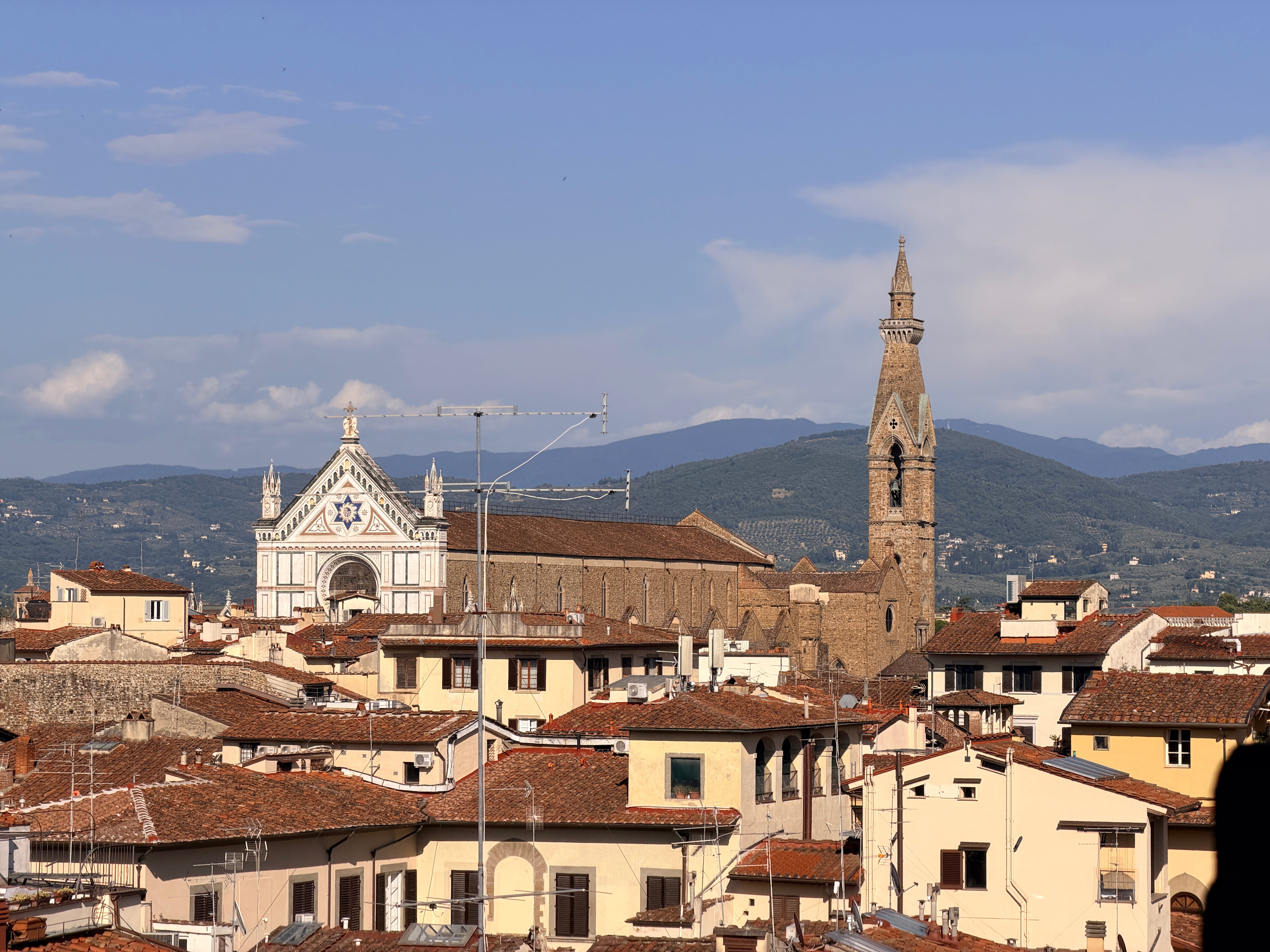
Pictured here is the Basilica di Santa Croce as seen from the terrace of the Palazzo della Signoria, also known as the "Palazzo Ducale", the residence of Cosimo I de' Medici. The Basilica di Santa Croce is sometimes called the "Temple of the Italian Glories" because it is the final resting place of renaissance greats like:
Michelangelo Buonarroti
Galileo Galilei
Niccolò Machiavelli
Gioachino Rossini
Ugo Foscolo
Leonardo Bruni
Lorenzo Ghiberti
As we’ve traveled Europe this month, especially in places like Florence and Basel, where one is surrounded by architecture and artifacts that are centuries, and in some cases millennia, older than our own United States of America, I’m struck by two important thoughts.
The first thought has to do with the commonplace nature of the innumerable historical artifacts and edifices. Roman ruins, medieval and Renaissance art, and one-thousand-year-old buildings are often part of everyday life for many Europeans. Simultaneously commonplace is the rampant consumerism that overshadows so much of the historical districts that we’ve visited. Of course, I understand tourism plays a significant role in the various national economies, but the kitschifying of such a rich inheritance in order to make an extra buck or two saddens me.
The second thought I’ve not been able to shake is something I first heard from Chesterton, but am experiencing first hand. In one of his little essays, Chesterton remarked that when he traveled to France or Germany, it was not only to see France or Germany, but also to see Battersea (his hometown) anew.
Additionally, as we’re nearing the 250th anniversary of our United States, and hearing about the various initiatives and publications created specifically relevant to the occasion—and more recently seeing clips of Europeans discovering the U. S. A. for the first time as they travel to the States for the World Cup—I’m reminded of the great blessing of being born in the New World at such a time as this. As much as I’m enjoying our tour of Europe, I’m looking forward to seeing our home anew.
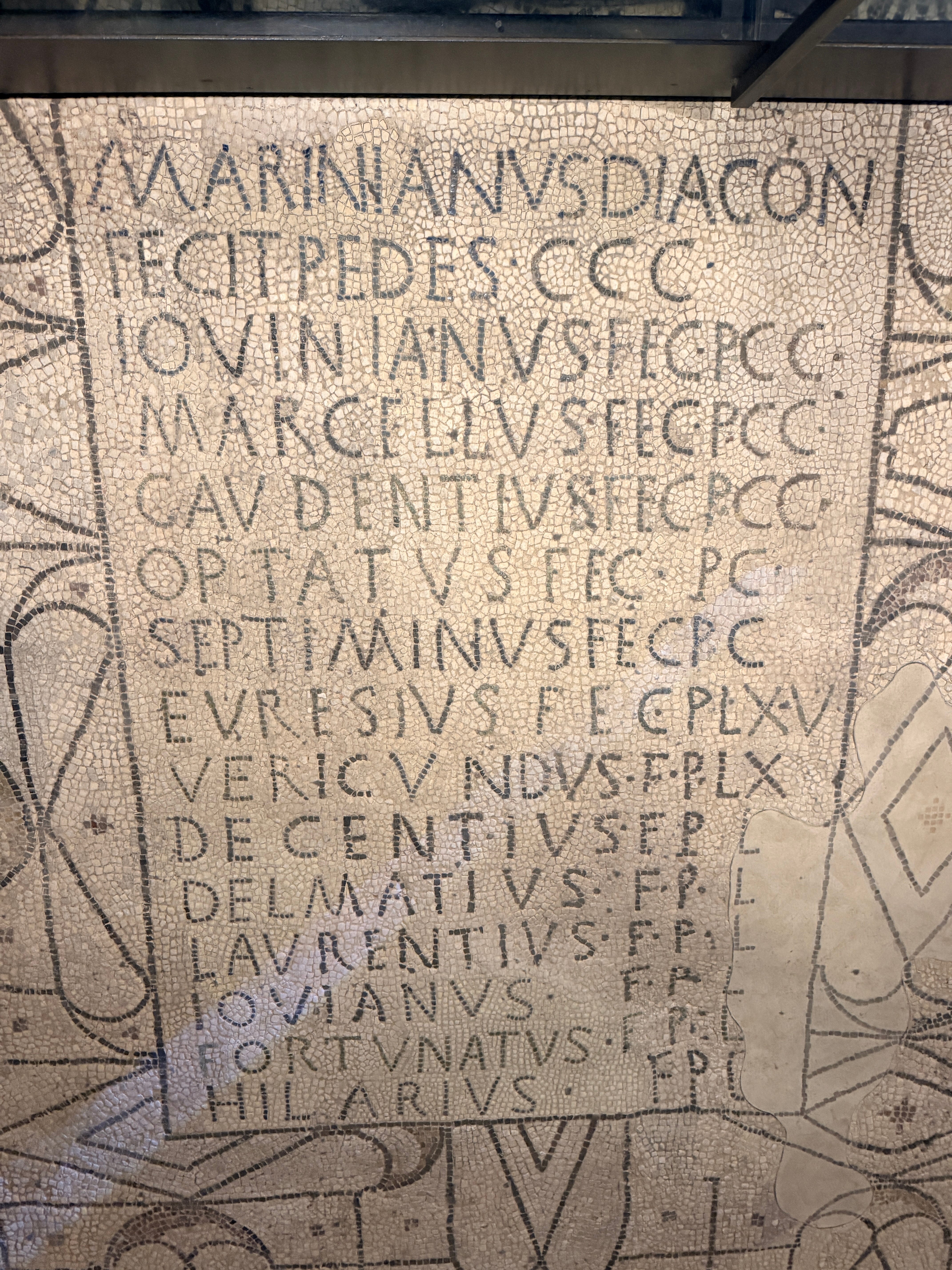
That will have to be it for now as we’re off to the Galleria dell’ Accademia di Firenze, but here’s mini photo dump until I post again.
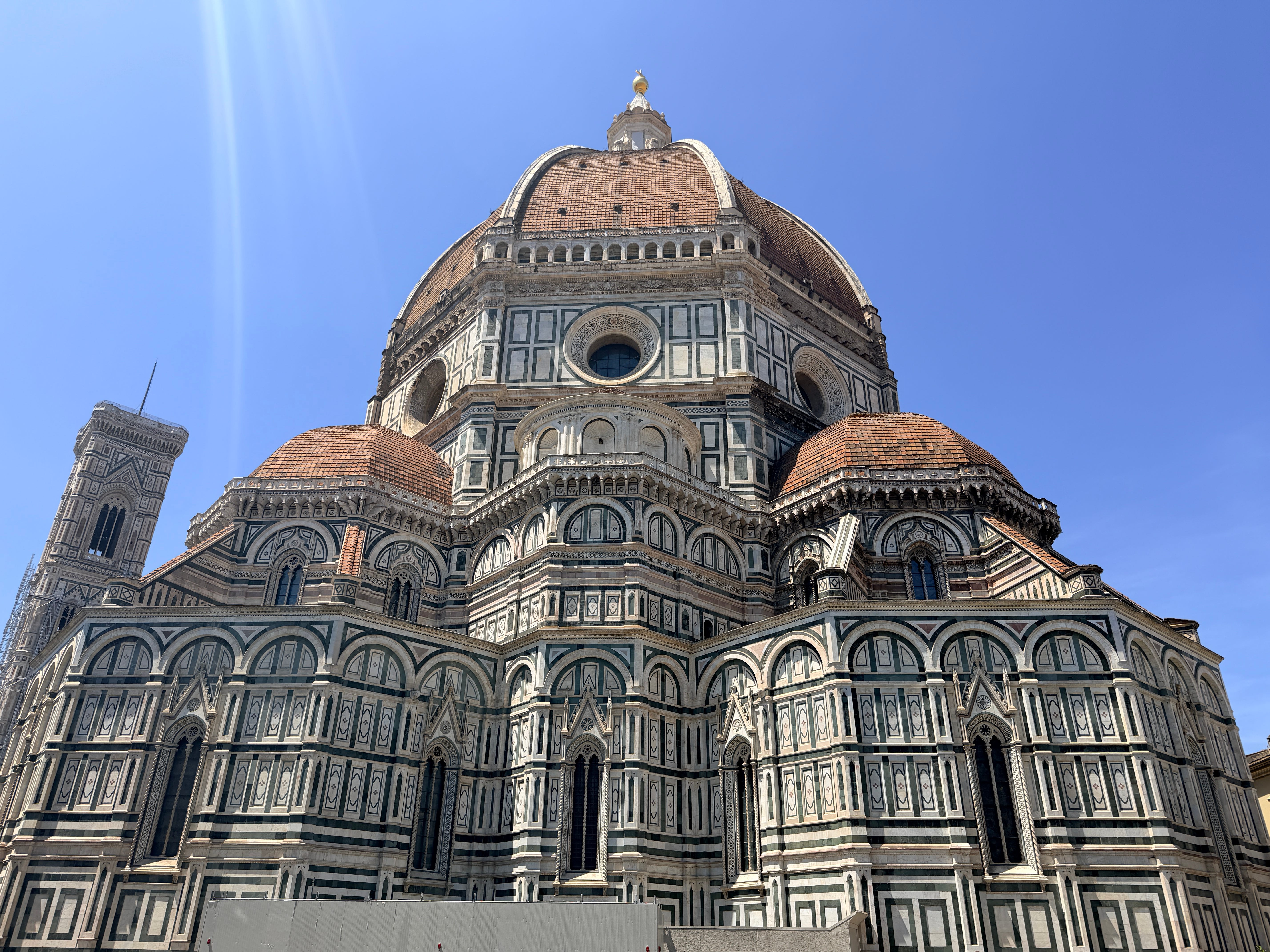
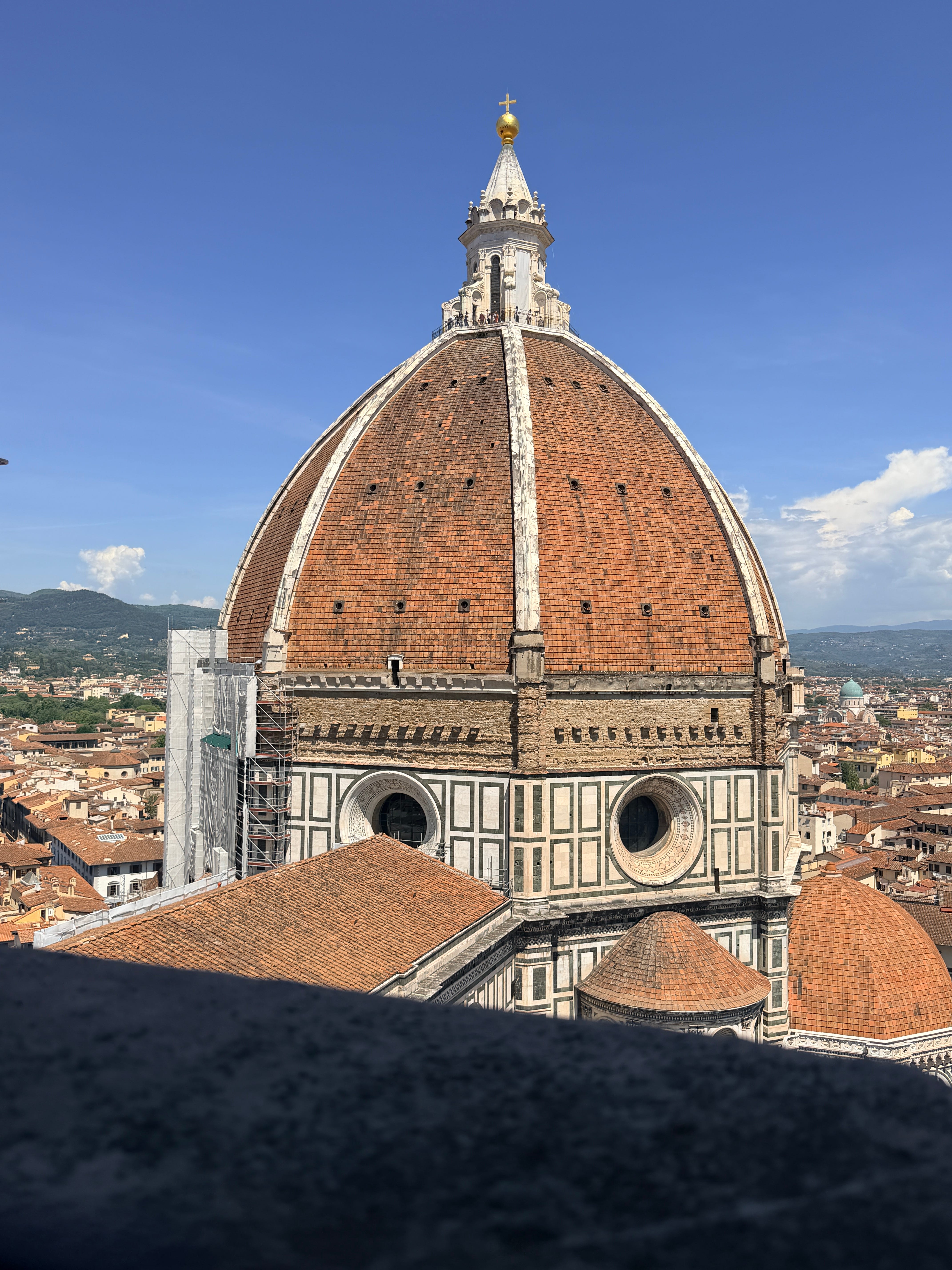
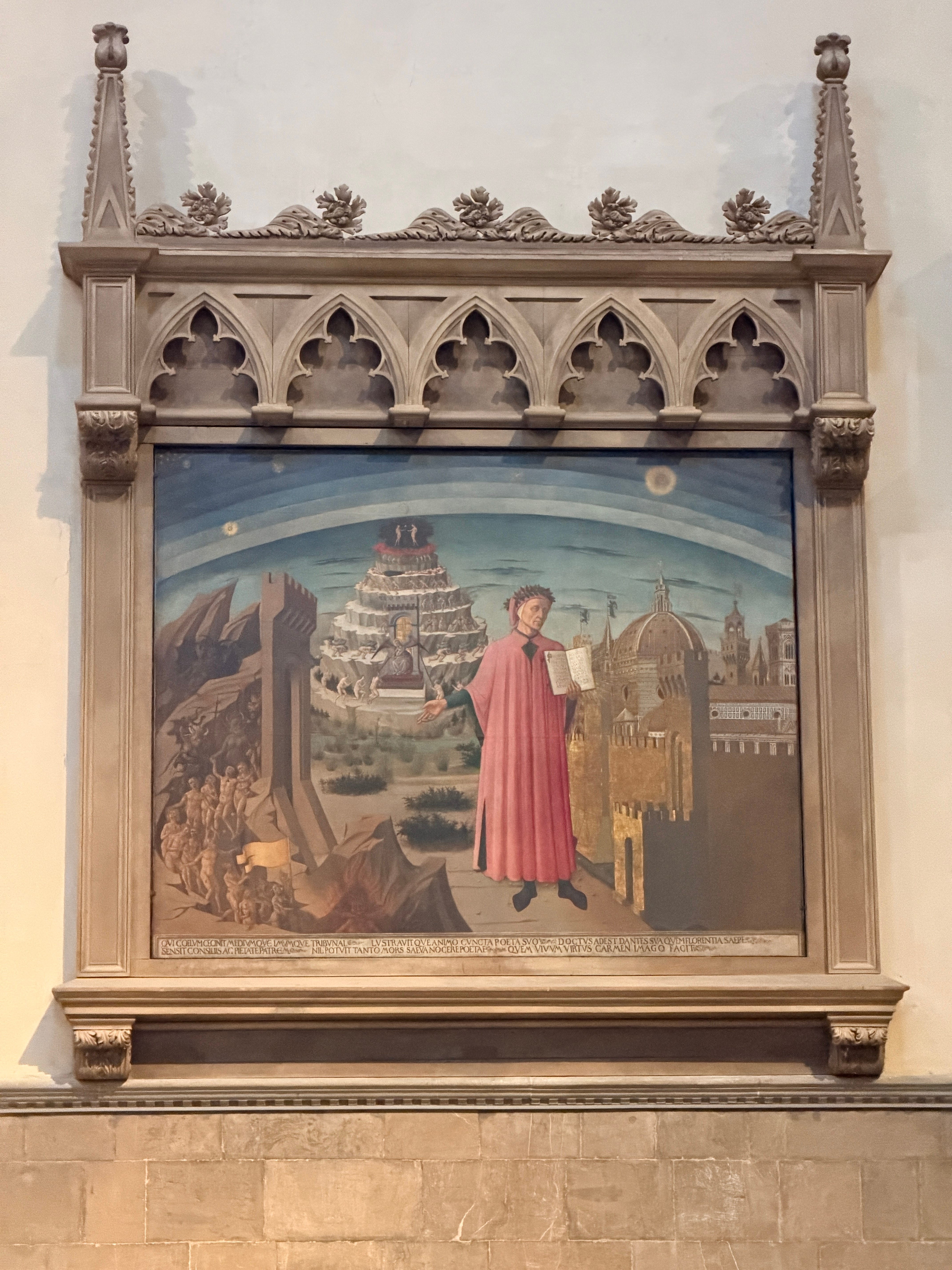


The Dante passage in the top left frame is from Paradiso and translates, roughly:
But it was fitting that that dull stone that guards the bridge should be made a victim of Florence in its final peace.
A Few Seats Left in My Summer Course
The Christian Humanist Reading Life: Recovering Wisdom in an Age of Noise begins July 7th. It runs six Tuesday evenings—July 7 through August 11—ninety minutes each, live with me at 5:00–6:30 pm PT. Every enrolled student receives a copy of Becoming Classically Educated as part of their $397 investment.
There are still a few seats left, if you’d like to grab yours today. If you have been sitting with this decision and something keeps drawing you back to it—if you have felt the restlessness Augustine describes, the hunger that information simply does not satisfy, the sense that you have been given a great deal of knowledge and somehow left the deepest questions unanswered —then this course is for you.
If you have a question before you decide, email me at me@scottpostma.net. I will respond personally. Even from Europe.
For wisdom, the great tradition, and the good life,
Scott Postma
Writing you from Florence, Italy