


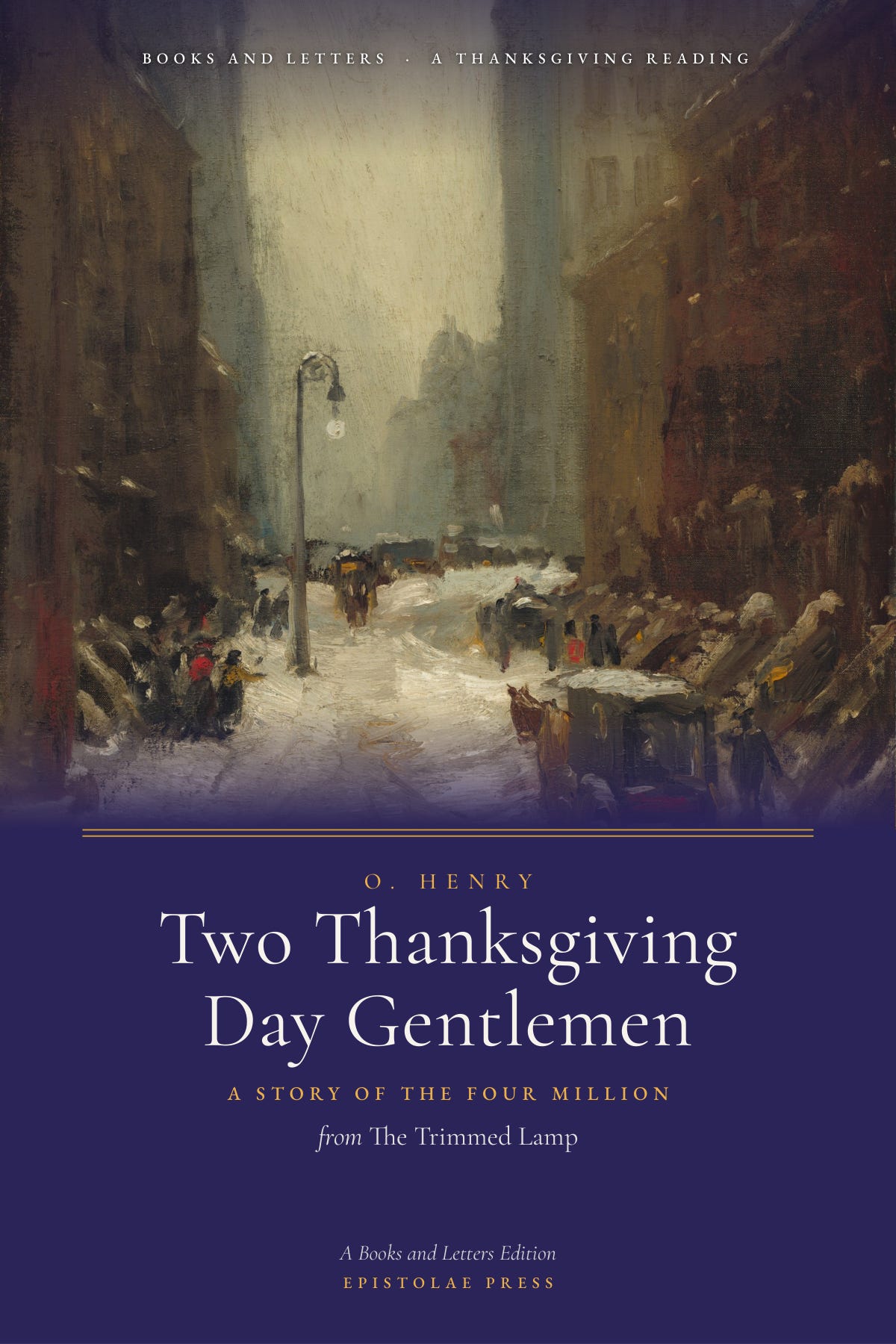
After being convicted of embezzling bank funds in 1898, and sentenced to five years in the penitentiary, William Sydney Porter served three of his five year sentence in Columbus, Ohio, working in the prison’s hospital as the night druggist.
That’s when he took the pen name, O Henry, and began to write short stories. He published 14 of them under the pseudonym while in prison. After his release in 1901, he moved to New York City where he wrote and drank prolifically. He published nearly 400 short stories and died on June 5, 1910. His stories are known for their irony and concluding plot twists.
O Henry’s works became popular about the same time as the Ashcan School, a journalistic art form led by Robert Henri (1865–1929), who attempted to capture scenes of daily life in New York City’s poorest neighborhoods, i.e., documenting the urban experience.
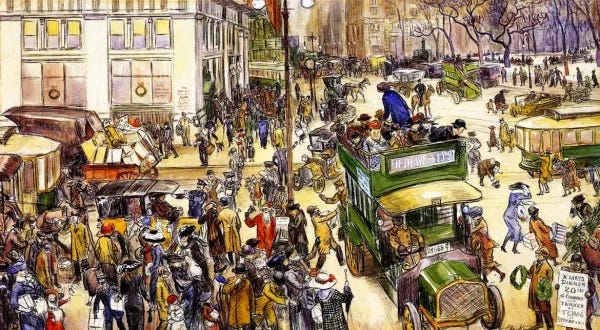
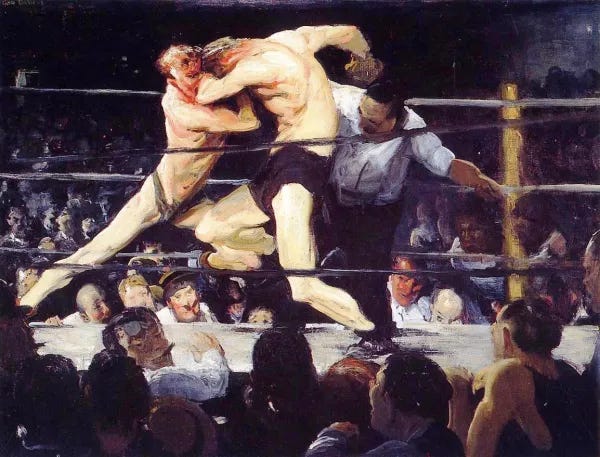
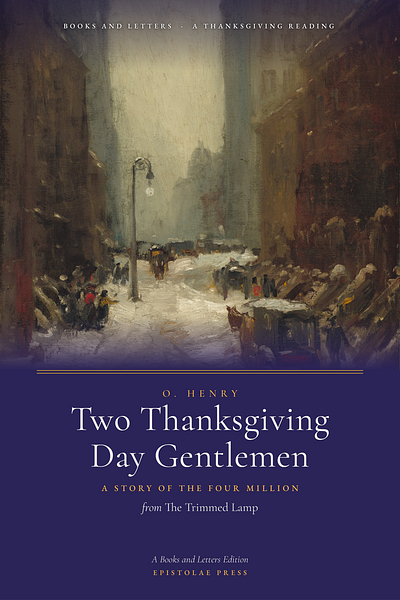
Like the Ashcan School, O Henry’s works were an early twentieth-century American phenomenon that are, unfortunately, seldom read or even mentioned today. (I don’t recall the last time I saw one of his works on someone’s suggested reading list). The cover of my own signet classic copy of his short stories features Snow in New York (1902), by Robert Henri, which is displayed in Washington D. C. ’s National Gallery of Art.
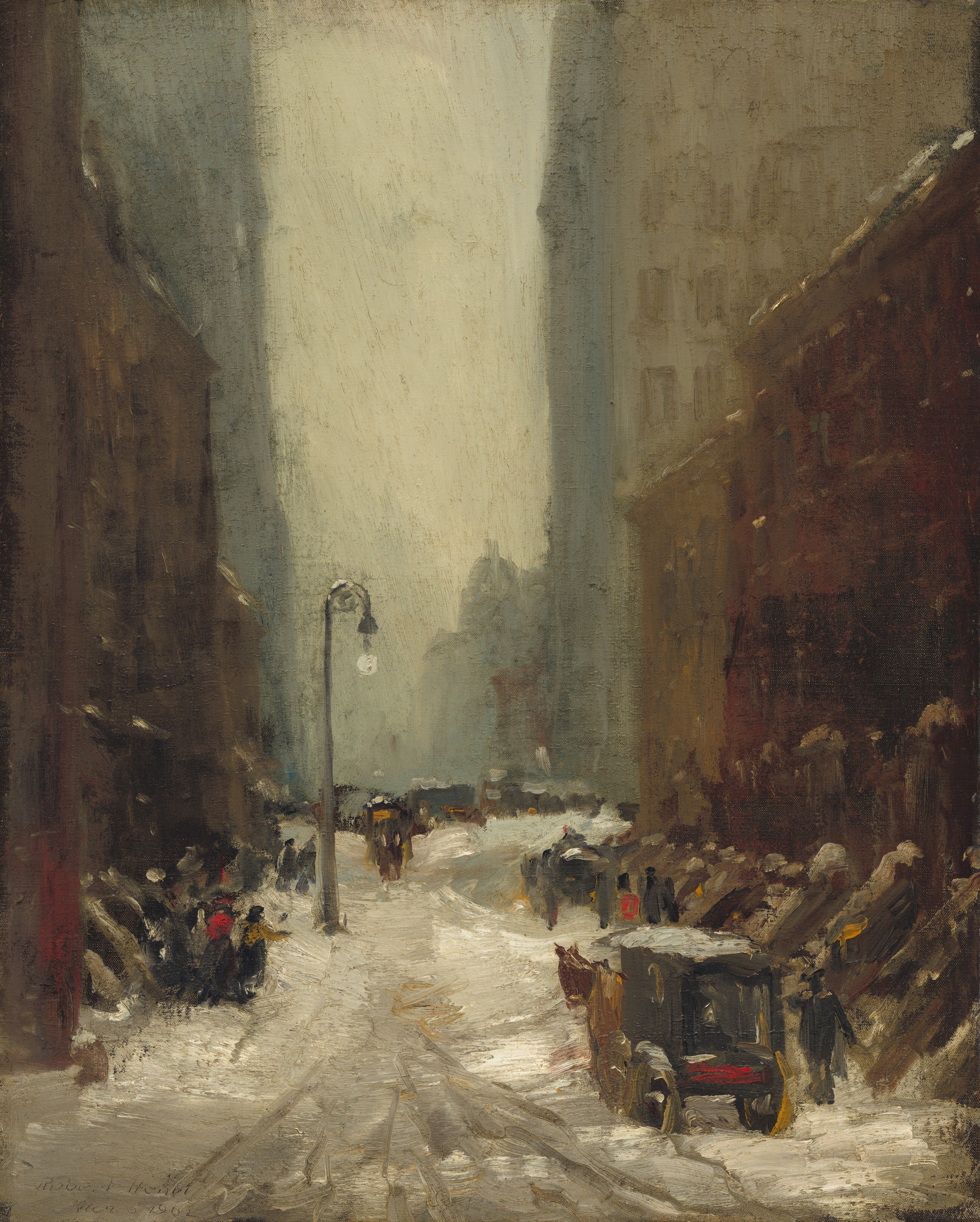
That same image graces this BOOKS AND LETTERS edition of O. Henry’s short story, “Two Thanksgiving Day Gentlemen” published by Epistolae Press. The story follows Stuffy Pete, a homeless man in New York, who is unexpectedly gorged with two meals on Thanksgiving day. If you don’t know the story, I won’t spoil it for you. But you have to read to the end. That’s where the story’s money is at.
It’s yours, gratis.
Thanks for being a friend of BOOKS AND LETTERS.
Happy Thanksgiving to You and Yours!
Scott Postma
Fernwood, ID